
Modern backyard apartments are gaining attention as compact, thoughtfully planned living spaces built within existing residential properties. Often designed to balance privacy and functionality, these units respond to changing housing needs by offering flexible use without expanding the main home. From smart layouts to modern finishes, backyard apartments reflect a practical approach to contemporary living.
This guide explores the key aspects of modern backyard apartments—what they are, how they are designed, the different ways they can be used, and practical considerations for homeowners. From efficient layouts to flexible living arrangements, this overview covers the essentials of these compact, purposeful spaces.
What Exactly Is a Backyard Apartment?
A backyard apartment is a smaller, self-contained residential unit located on the same lot as a primary house. While these units are known by different names in various regions, such as granny flats or casitas, they all share the same core purpose: providing an independent living space within an existing property.
These apartments are built as permanent structures and typically include a kitchen, bathroom, sleeping area, and living space. Unlike temporary buildings, modern backyard apartments are constructed using durable materials and designed for long-term use. They may stand alone as detached units or be connected to existing structures like garages, depending on property layout and local guidelines.
Taking a Peek Inside: Smart Design in Action
Despite their smaller size, modern backyard apartments are designed to feel comfortable and efficient. Designers focus on thoughtful planning to ensure every area serves a purpose. By reducing unnecessary walls and emphasizing usability, these spaces support daily living without feeling crowded.
Careful attention is given to layout flow, natural light, and storage solutions, helping the apartment feel organized and welcoming from the moment you step inside.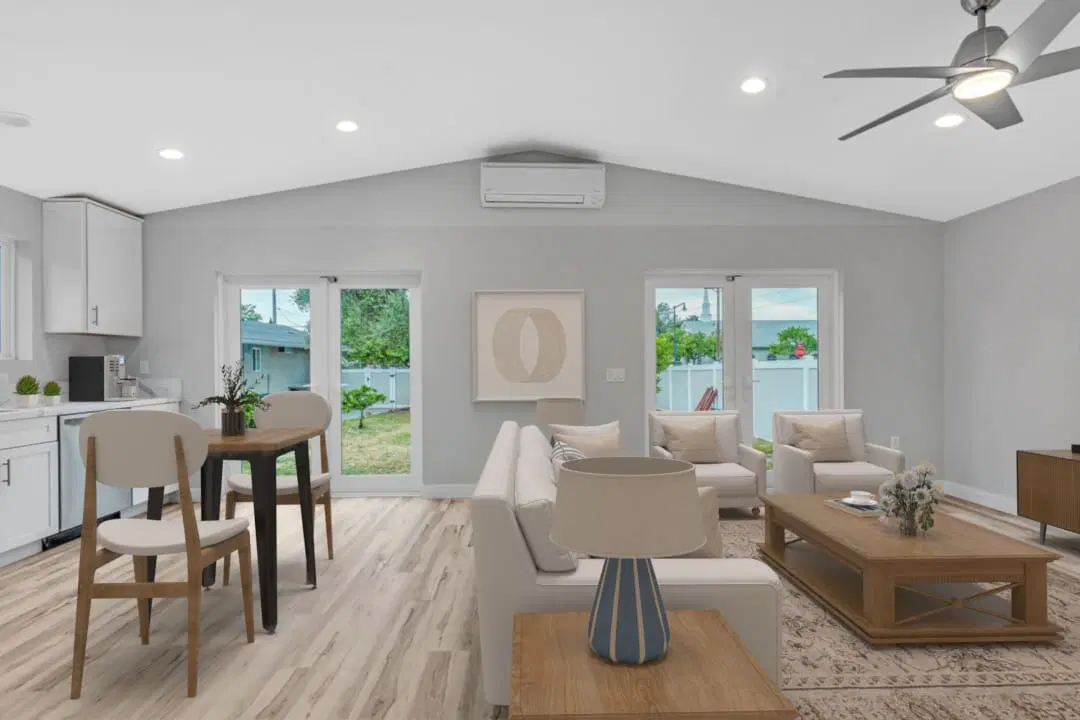
The Open-Concept Layout
Open-concept design is a common feature in modern backyard apartments. Instead of separating rooms with walls, living, dining, and kitchen areas often share a single open space. This approach improves movement and allows light to travel freely throughout the apartment.
Large windows and sliding doors are frequently used to connect indoor areas with the outdoors. This visual connection helps the space feel more expansive and supports a comfortable living environment.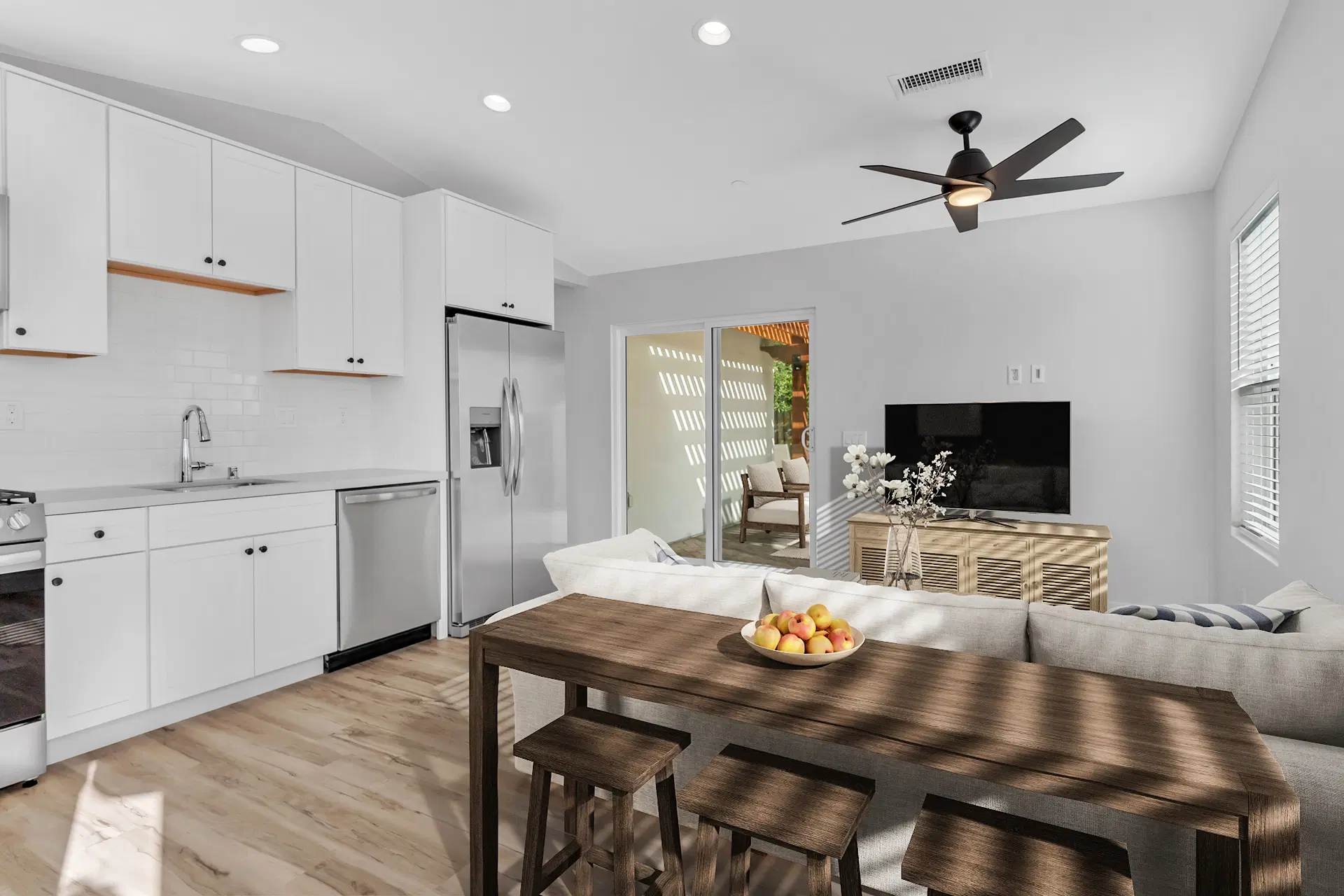
The Hyper-Efficient Kitchen
Kitchens in backyard apartments are designed for practicality rather than size. Compact layouts are paired with well-planned storage and modern appliances to support everyday cooking needs.
Smaller appliances, such as slim refrigerators or combination ovens, allow full kitchen functionality while conserving space. Cabinets are often built vertically to maximize storage, and countertops are selected for durability and ease of maintenance. These kitchens demonstrate how efficient planning can support daily use without excess space.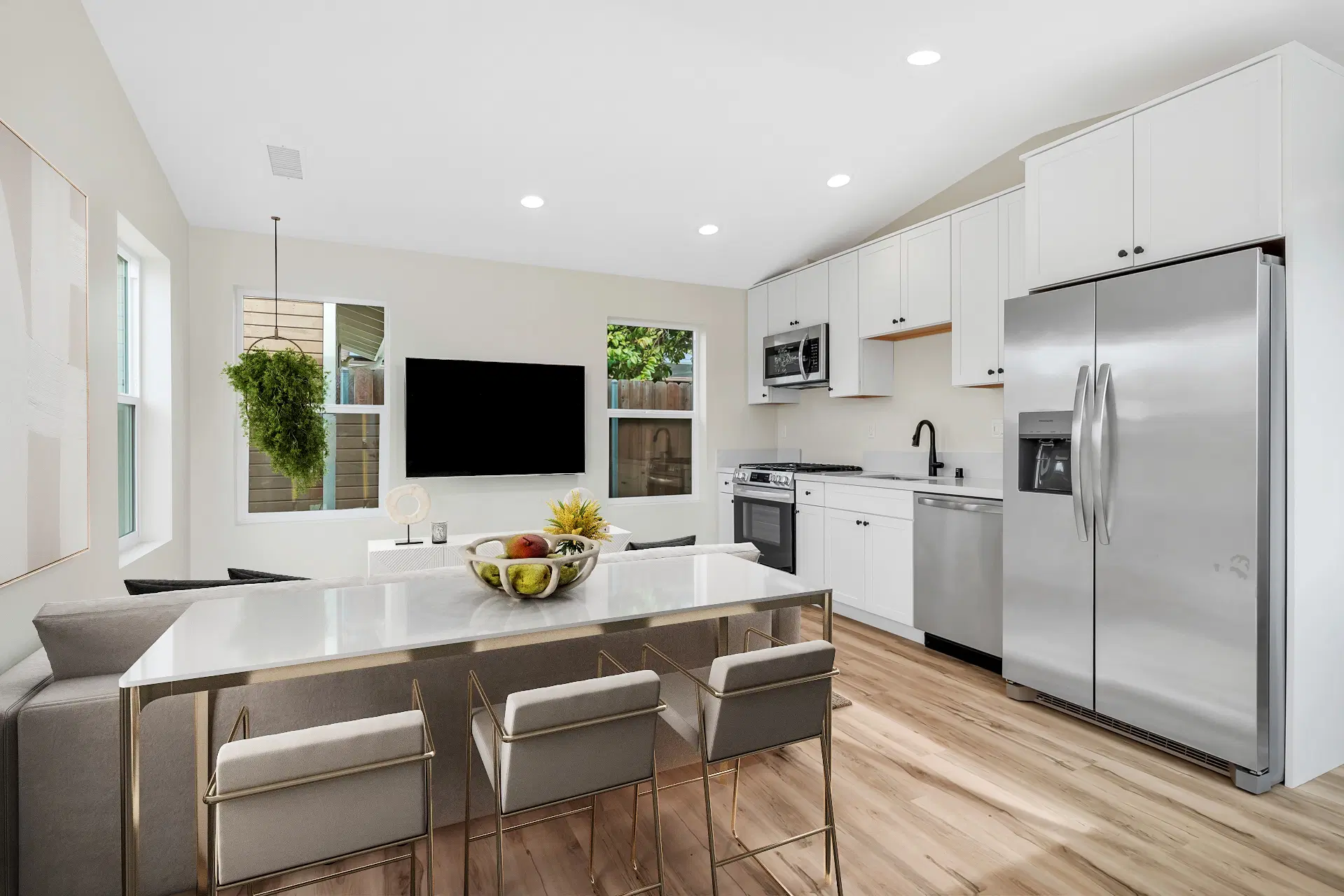
The Multi-Functional Living Area
The living area in a backyard apartment is designed to support multiple activities. Instead of dedicating separate rooms for each function, furniture and layout choices allow one space to serve several purposes throughout the day.
Convertible furniture, such as fold-down tables or sofa beds, helps the room adapt easily. Strategic furniture placement creates visual zones for relaxing, working, or dining, allowing the space to remain flexible without feeling cluttered.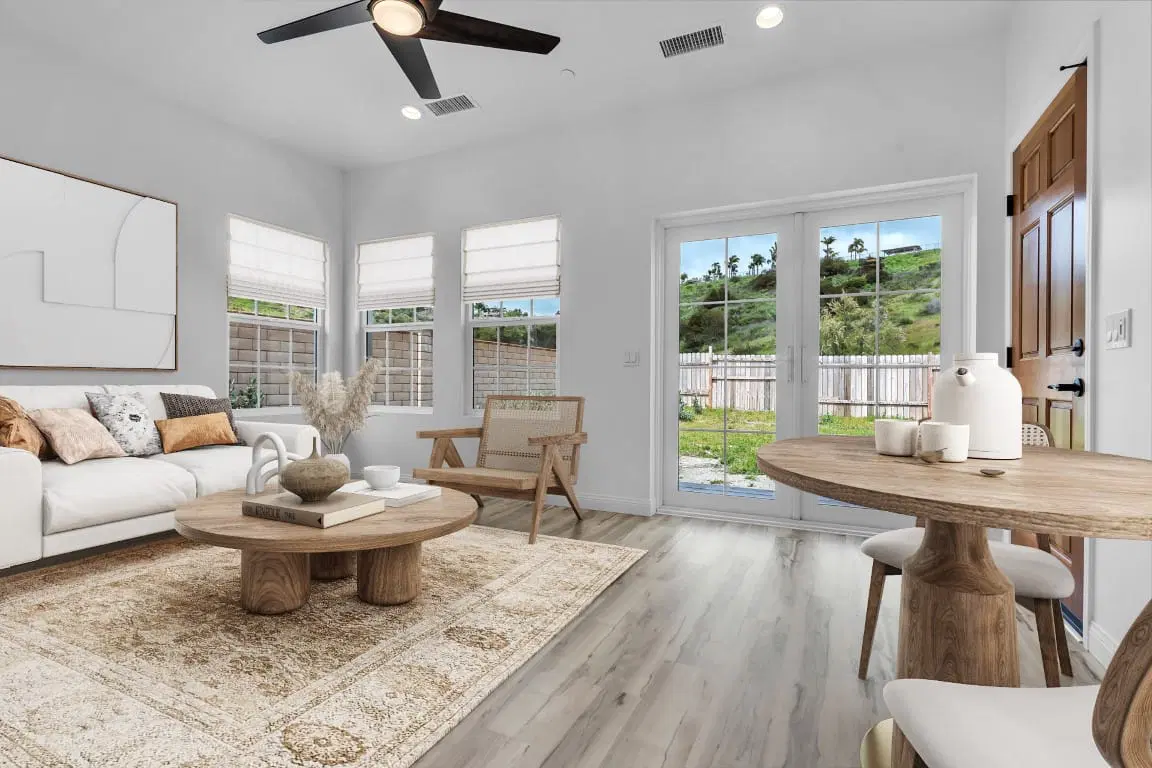
The Cleverly Designed Bathroom
Bathrooms in modern backyard apartments prioritize simplicity and efficiency. Fixtures are selected to save space while maintaining comfort and usability.
Wall-mounted elements and compact layouts help keep the room visually open. Clear glass shower panels and well-placed mirrors enhance brightness, while proper lighting and ventilation support everyday comfort. These design choices contribute to a clean, functional bathroom experience.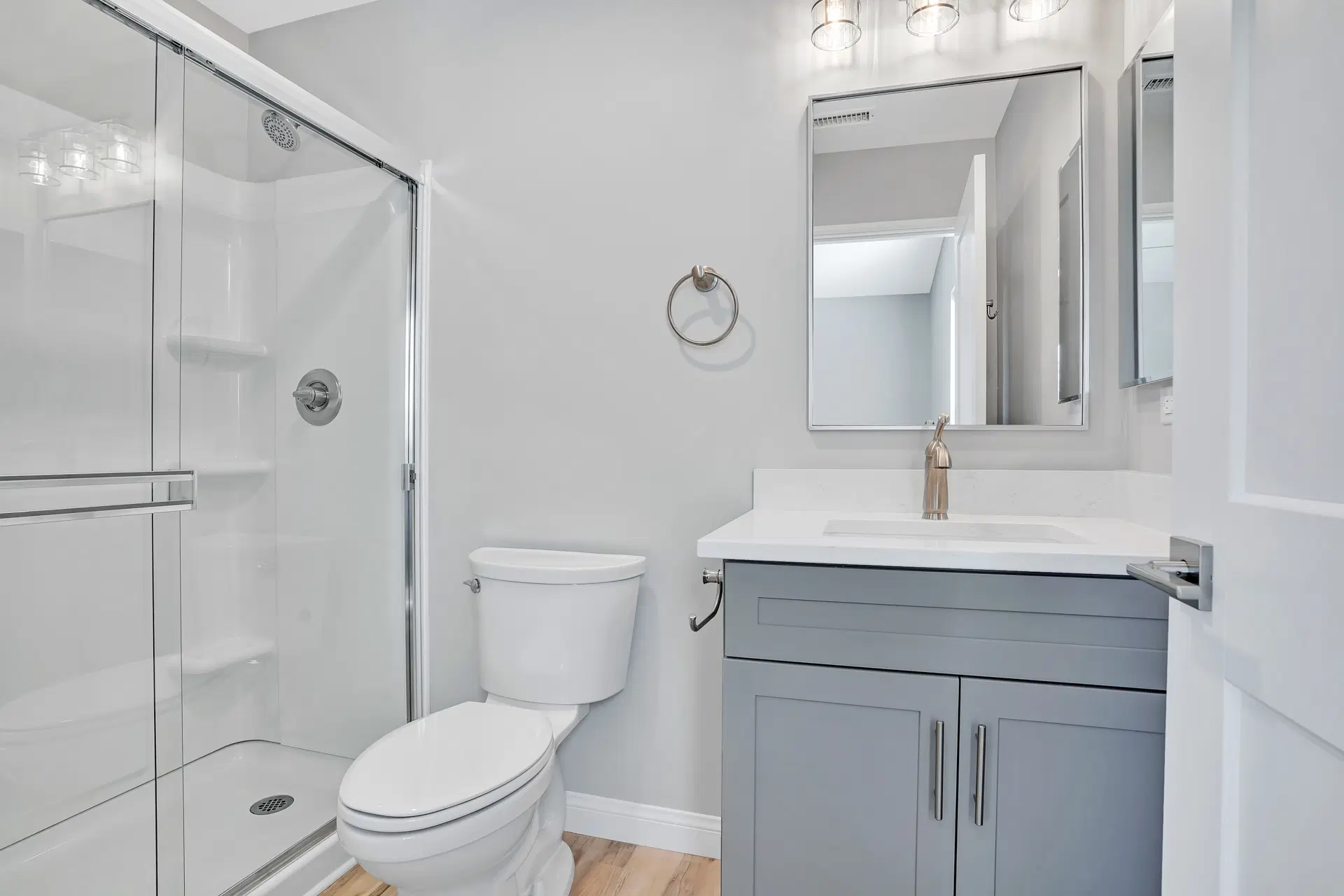
The Power of Flexibility: How People Use ADUs
One of the strongest advantages of backyard apartments is their adaptability. These units can serve different purposes over time, depending on household needs.
Some homeowners use backyard apartments as long-term residences for family members, while others dedicate them to workspaces, guest accommodations, or independent living arrangements. This flexibility allows the space to remain useful as lifestyles change.
Rental Income
Backyard apartments are often used as rental units, offering a way to utilize available space more effectively. Renting out a separate living unit can help homeowners offset household expenses while maintaining control over their property.
Because these units are independent, they allow occupants to live comfortably without interfering with the main household’s routine.
Multigenerational Living
Backyard apartments support multigenerational living by offering nearby housing with personal space. Family members can live close to one another while maintaining independence.
This arrangement allows for convenience and connection without requiring shared living spaces, making it a practical option for extended families.
A Private Guest House
A backyard apartment can also function as a private guest house. Visitors have their own living space, which supports comfort and privacy for both guests and hosts.
This setup is especially useful for longer stays, as it allows guests to maintain their own routine while remaining close to the main home.
The Ultimate Home Office
For remote work or creative activities, backyard apartments offer a dedicated space away from the main household. Separating work and living environments can help improve focus and establish clearer daily routines.
This use has become increasingly common as flexible work arrangements continue to grow.
Finding Privacy in Your Own Backyard
Privacy is an important consideration in backyard apartment design. Separate entrances, thoughtful window placement, and landscaping features help maintain personal boundaries between households.
By creating physical and visual separation, backyard apartments allow residents to live independently while remaining part of the same property.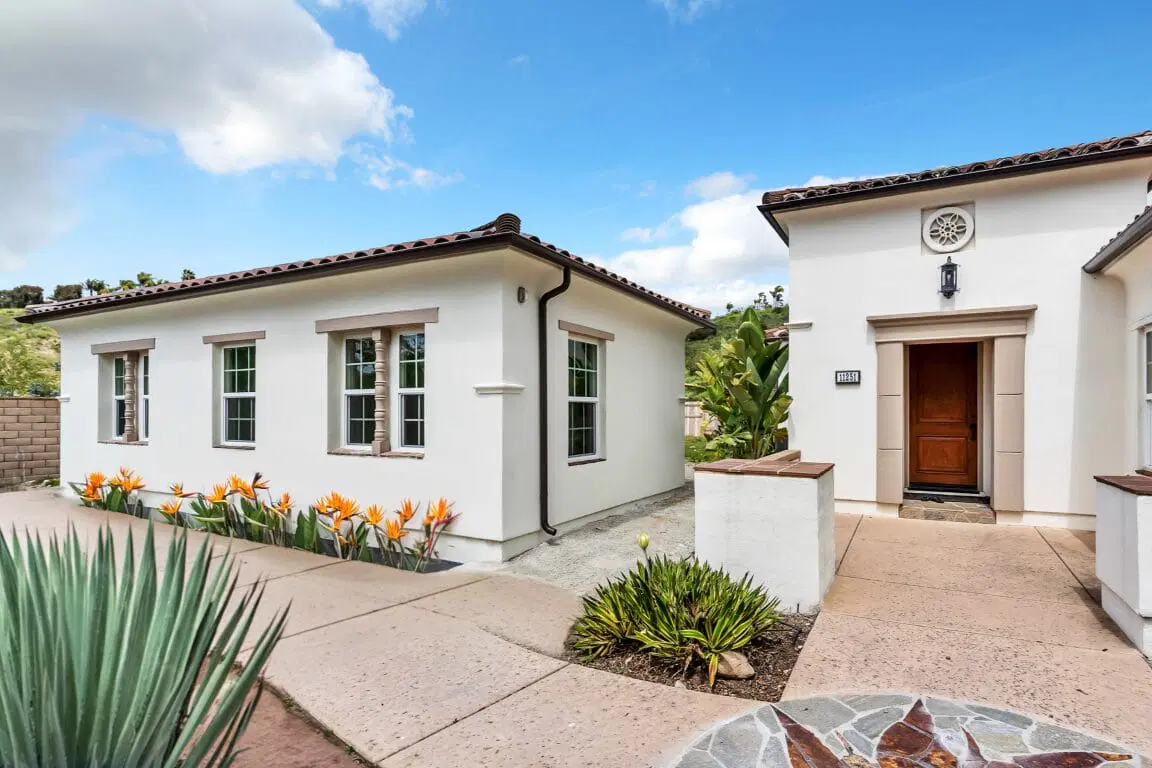
Frequently Asked Questions
How much does it cost to build a backyard apartment?
The cost of building a backyard apartment varies based on location, size, design complexity, and materials used. Prefabricated options and custom builds differ in planning and construction requirements. Homeowners are encouraged to consult local professionals for accurate estimates.
Do I need a permit to build an ADU?
In most areas, permits are required for backyard apartments. Construction typically involves electrical, plumbing, and structural work, all of which must comply with local building standards. Many regions have established clearer guidelines to support ADU development.
How big can my backyard apartment be?
Size limits are determined by local zoning regulations. These rules often specify maximum square footage, height restrictions, and placement requirements. Checking with local planning authorities is an essential step before beginning construction.
Sources
- https://www.buildinganadu.com/adu-blog/landscape-designing-for-adus?
- https://www.thisoldhouse.com/bathrooms/23-savvy-and-inspiring-small-bath-designs?
- https://www.nolo.com/legal-encyclopedia/faqs-about-building-using-or-renting-out-a-tiny-house.html?
- https://www.selfstorage.com/blog/adu-construction-cost/?
- https://www.thespruce.com/exciting-small-kitchen-ideas-1821197?
- https://www.apartmenttherapy.com/adu-layout-inspiration-37483424?