
Replacing a roof is one of the most significant investments a homeowner can make. It's a major project that goes far beyond simply swapping out old shingles; it's about ensuring the long-term integrity, safety, and value of your entire property. A sound roof protects against water damage, improves energy efficiency, and contributes significantly to your home's curb appeal and resale potential. This guide provides a foundational understanding of the roof replacement process for homeowners in the U.S. We'll cover the essential components of a roofing system, the various material choices available, the potential advantages of planning the project for the beginning of the year, how to navigate the process of finding a contractor, and what to expect during the installation itself. The guide concludes with answers to some frequently asked questions.
 What Does a Roof Replacement Entail?
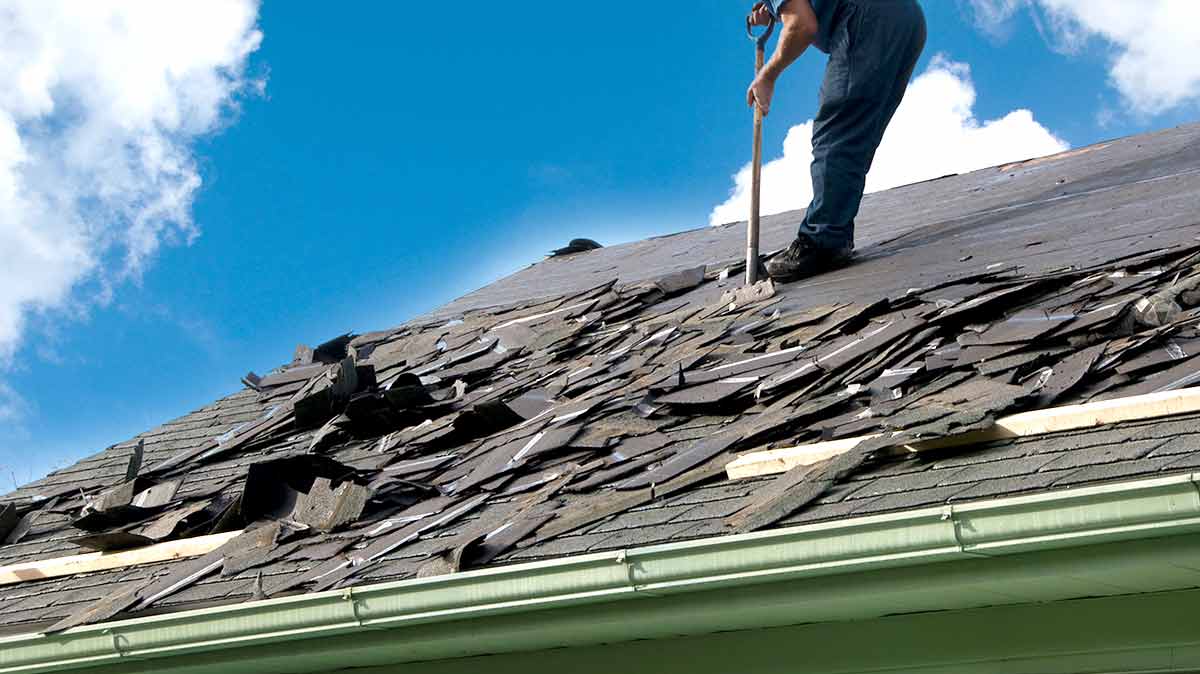
A roof replacement is the process of removing the existing roofing materials down to the deck (the wooden base) and installing a completely new system. It's typically recommended when repairs are no longer sufficient to prevent leaks or when the roof has reached the end of its service life. The full system includes more than just the visible outer layer (shingles, tiles, etc.). It consists of the decking (plywood or OSB boards), an underlayment (a water-resistant barrier), the chosen roofing material, and critical flashing (metal pieces that seal joints and edges around chimneys, vents, and walls). Understanding that a roof is a system helps in evaluating the scope and necessity of a full replacement.
Common Roofing Materials: A Comparative Overview
The choice of material affects cost, durability, appearance, and your home's insulation. Here is a look at common options:
| Material Type | Typical Lifespan | Key Characteristics | Initial Cost Range |
|---|---|---|---|
| Asphalt Shingles | 15-30 years | Most popular; cost-effective; various styles/colors. | Lower cost |
| Metal Roofing | 40-70 years | Durable, energy-efficient, fire-resistant; can be panels or shingles. | Medium-High |
| Wood Shakes/Shingles | 20-40 years | Natural aesthetic; requires more maintenance; fire codes may apply. | Medium-High |
| Slate Tile | 50+ years | Extremely durable, natural stone; very heavy; highest cost. | Highest cost |
| Synthetic/Slate | 40-50 years | Mimics slate/wood; lightweight, durable; growing in popularity. | Medium-High |
| Clay/Concrete Tile | 40-100 years | Excellent durability; distinctive look; very heavy. | High |
Examples of Roofing Service Providers
The roofing industry in the U.S. includes a wide range of service providers, from large national companies to local, family-owned contractors. Homeowners may encounter different types of businesses during their search:
- National Franchise Companies: These are large, branded companies with locations across the country. They often have extensive advertising, standardized processes, and may offer national warranty programs. Their size can provide a sense of security for some homeowners.
- Manufacturer-Certified Contractors: Many leading roofing material manufacturers (e.g., GAF, CertainTeed, Owens Corning) have programs to certify independent roofing contractors. These contractors are trained and approved to install that manufacturer's products according to specific standards, which can often enhance the product warranty.
- Local/Regional Roofing Contractors: This category comprises many established businesses that operate within a specific city, county, or state. They often rely on local reputation, word-of-mouth referrals, and deep knowledge of regional weather conditions and building codes.
- Specialty Roofers: Some contractors specialize in specific materials, such as slate, tile, or metal standing-seam roofs. They possess specialized skills and tools for working with these premium materials.
It is considered a standard practice to obtain detailed estimates and check references from multiple companies, regardless of their size or business model, before making a decision.
Potential Advantages of a Spring/Project Start
Many homeowners find significant advantages in planning a roof replacement for late winter or early spring. While work can be done in various seasons, this timing aligns with several practical benefits:
- Favorable Weather: The milder temperatures of spring are ideal for roofing. Most roofing materials, especially asphalt shingles, require specific temperature ranges for proper sealing and installation. Extreme summer heat or winter cold can complicate this process.
- Contractor Scheduling: Scheduling in the first quarter may offer greater flexibility in securing a reputable contractor. The peak roofing season typically begins in late spring and runs through fall, so planning ahead can mean more options for start dates.
- Preparation for Storm Season: In many regions, spring and summer bring increased rain and storm activity. Completing a replacement beforehand ensures your home is best protected before these seasons arrive.
- Financial Planning: For some households, undertaking a major home improvement project early in the year aligns with annual budgeting cycles and potential tax planning considerations. This allows for the cost to be accounted for within a single tax year.
Finding and Working with a Roofing Contractor
A successful project heavily depends on choosing a qualified professional.
- Research and Referrals: Seek recommendations from neighbors or friends. Check online reviews and, crucially, verify a contractor's license and insurance with your state's licensing board. Membership in national or state roofing associations can be a positive indicator.
- Obtaining Multiple Estimates: It is advisable to get detailed written estimates from at least three different contractors. These should include a complete breakdown of costs for materials, labor, waste disposal, and any potential repairs to the decking.
- Asking Key Questions: Inquire about the work crew (are they employees or subcontractors?), the project timeline, the warranty offered on both materials and labor, and the procedures for protecting your property and cleaning up afterward. A reliable contractor will address all these points clearly.
- Understanding the Contract: Before any work begins, ensure you have a signed contract that specifies everything in the estimate, the start and completion dates, payment schedule, and specific manufacturer warranty information.
The Installation Process: What to Expect
A typical roof replacement follows a standard sequence over several days:
- Preparation: The contractor will deliver materials (often a dumpster and a delivery of shingles or other materials) and protect your landscaping, driveway, and siding.
- Tear-Off: Crews will remove the old roofing materials and transport them to the dumpster. They will inspect the wooden decking for any water damage or rot that needs repair.
- Installation: New underlayment is rolled out and fastened. Flashing is installed or replaced around all penetrations. Finally, the new roofing material is installed according to the manufacturer's specifications.
- Clean-Up and Inspection: Once installation is complete, the site is thoroughly cleaned using magnets to pick up nails. A final walk-through with the project manager is conducted to ensure your satisfaction.
Frequently Asked Questions (FAQ)
Q: How do I know if I need a repair or a full replacement?
A: A repair might be sufficient for isolated issues like a few missing shingles or a small leak. Signs pointing to a replacement include widespread curling or buckling shingles, significant granule loss (giving gutters a sandy appearance), daylight visible through the roof boards in the attic, or if the roof is simply older than its expected lifespan. A professional inspection can provide the most accurate assessment.
Q: Are there any financing options available for such a large project?
A: Payment practices can vary. Some homeowners use savings, while others explore financing. Options may include home equity loans or lines of credit, FHA Title I loans for home improvements, or financing programs sometimes offered directly by larger roofing contractors. It's important to understand all terms and interest rates before committing.
Q: Can I install a new roof over my old one?
A: While building codes in some areas may allow a second layer of shingles, it is generally not recommended. Installing directly over an old roof prevents inspection and repair of the decking, can void manufacturer warranties, adds extra weight to the structure, and may result in a shorter lifespan for the new roof. Most roofing professionals advise a complete tear-off for the best result.
References:
- https://www.owenscorning.com/en-us/roofing/homeowner/roof-smarter
- https://www.owenscorning.com/en-us/roofing/blog/what-to-expect
- https://www.owenscorning.com/en-us/roofing/install-instructions]
- https://www.certainteed.com/inspiration/how-tos/different-roofing-materials
- https://www.certainteed.com/inspiration/how-tos/rundown-low-slope-roof-spec-terms
- https://www.nrca.net/roofing-guidelines
- https://www.gaf.com/
- https://www.gaf.com/en-us/for-pros/contractors/roofer-certification
- https://www.homeadvisor.com/cost/roofing/install-a-roof/
- https://www.angi.com/articles/how-much-does-roof-replacement-cost.htm
- https://www.osha.gov/sites/default/files/publications/OSHA3755.pdf
- https://www.osha.gov/laws-regs/regulations/standardnumber/1910/1910.28
- https://www.epa.gov/facts-and-figures-about-materials-waste-and-recycling/construction-and-demolition-debris-material
- https://www.epa.gov/system/files/documents/2023-12/warm_construction_materials_v16_dec.pdf
- https://www.hud.gov/helping-americans/home-improvements
- https://www.hud.gov/program_offices/housing/sfh/203k
- https://www.energy.gov/energysaver/cool-roofs
- https://energy.gov/sites/default/files/2021-08/ES-CoolRoofs_080921.pdf
- https://www.energystar.gov/products/cool-roofs
- https://www.irs.gov/credits-deductions/energy-efficient-home-improvement-credit
- https://www.irs.gov/forms-pubs/about-form-5695
- https://www.investopedia.com/ask/answers/111815/does-homeowners-insurance-cover-roof-replacement.asp
- https://www.bbb.org/all/home-improvement/how-to-hire-a-reliable-and-trustworthy-general-contractor
- https://www.thespruce.com/roof-lifespan-and-replacement-tips-8782699
- https://www.fastcompany.com/90625857/this-giant-roofing-company-just-figured-out-how-to-recycle-shingles